
Because you deserve thorough preparation.
Dara was built to close the gap between clinical expertise and the information patients actually receive before surgery.
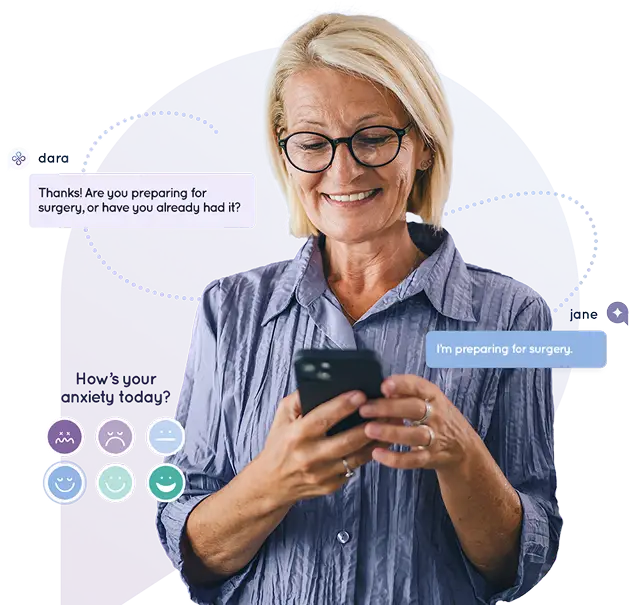
Surgery doesn’t have to be faced alone. Dara provides clear, compassionate guidance so users can prepare with confidence, advocate for themselves, and move through surgery with less fear.
From the operating room to your hands: the Dara story.
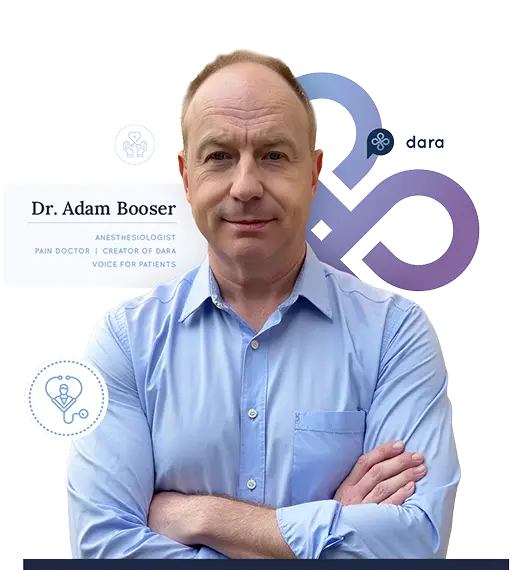
Dr. Adam Booser has spent more than twenty years at the head of the operating table — caring for children and adults through surgeries large and small. As an anesthesiologist and pain specialist, he has witnessed thousands of recoveries. He has also witnessed something else: fear, confusion, and preventable suffering.
Over time, a pattern emerged. The patients who struggled most after surgery weren’t weaker or less resilient — they were unprepared. They didn’t know what questions to ask. They didn’t understand their pain management options. They didn’t know how to advocate for themselves.
He also saw the difference in patients he worked with extensively before surgery. They often recovered with fewer complications and less ongoing pain. That contrast began to shape what DARA would become.
For Dr. Booser, pain management became more than a clinical responsibility. It became a duty — to educate, to prepare, and to restore a sense of control. DARA was built to give patients access to the information and preparation tools they deserve, before they ever enter the operating room.
DARA exists to help patients move from uncertainty to understanding, and from fear to confidence — not by replacing their medical team, but by helping them engage with it more effectively.
Our Promise & Values
DARA promises to be a calm, trustworthy guide through surgery—helping you understand what’s happening, what to expect, and how to speak up for yourself.
No complicated jargon. No rushing. No dismissal. Just clear information, delivered with empathy, when it matters most.

Human First
Every experience is designed around vulnerability, dignity, and trust.

Clarity over Complexity
Medical education without intimidation, reflective of who the patients actually are.

Empowerment through Knowledge
Informed patients make better decisions, feel more confident, and recover better.

Inclusive by Design
Representation, cultural awareness, and bias-conscious care are non-negotiable.

Preventative Mindset
The best outcomes start before surgery, not after problems appear.